
FSD Ethiopia Hosts Second Climate Finance Summit Ahead of COP32
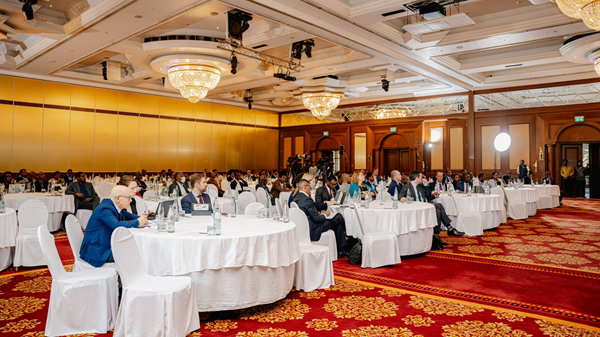
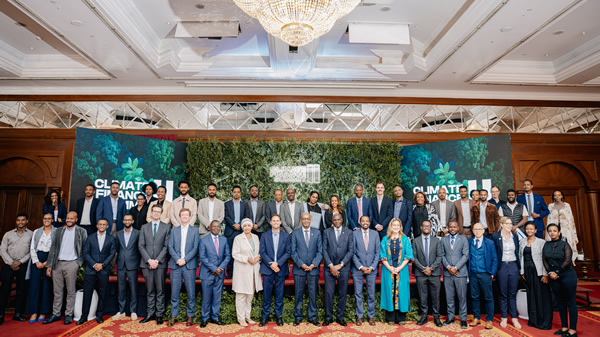
Addis Ababa, March 05, 2026: FSD Ethiopia successfully hosted its Second Climate Finance Summit in Addis Ababa, bringing together nearly 200 participants from government institutions, financial sector actors, development partners, investors, and academia to discuss how Ethiopia can mobilise greater climate finance as the country prepares to host COP32 in 2027.
Held under the theme “Landscape to Legacy: Ethiopia’s Climate Finance Path to COP32,” the summit focused on strengthening climate finance governance, aligning national sustainable finance frameworks, and mobilising private capital to support Ethiopia’s green growth agenda.
The summit was opened by Mensur Dessie, Climate Institutional Development Advisor at the Ministry of Planning and Development, who highlighted Ethiopia’s growing role in the global climate agenda.
He noted the urgency of addressing immediate climate challenges such as drought and displacement, while emphasising that the country has embedded its Climate Resilient Green Economy (CRGE) strategy within its national development framework.
Welcoming remarks were delivered by Hikmet Abdella, CEO of FSD Ethiopia, who underscored the importance of strengthening financial systems capable of supporting climate investment.
“Nearly 200 leaders and practitioners from across Ethiopia’s climate finance ecosystem have come together because they recognise that mobilising accessible, innovative, and inclusive finance is essential to building a resilient, green, and prosperous future for our country,” she said.
Hikmet noted that Ethiopia’s selection to host COP32 in Addis Ababa in 2027 presents an opportunity to attract long-term climate investment and elevate the priorities of climate-vulnerable countries on the global stage.
The summit was officially opened by H.E. Moses Vilakati, Commissioner for Agriculture, Rural Development, Blue Economy and Sustainable Environment at the African Union Commission, who commended Ethiopia’s leadership in advancing climate finance discussions across the continent.
“In many African countries, climate finance flows remain heavily dependent on international public finance and grant-based funding. While concessional finance remains important, it is clear that public finance alone cannot meet the scale of investment required,” Vilakati said.
The summit also featured the presentation of the updated Ethiopia Climate Finance Landscape Study.
Additional sessions explored the role of Ethiopia’s emerging capital market institutions in mobilising climate investment and examined the policy framework guiding the country’s latest climate commitment, NDC 3.0.
As Ethiopia prepares to host COP32 in 2027, the summit provided a platform for policymakers, financial institutions, and development partners to strengthen collaboration and accelerate efforts to translate climate ambition into investment and implementation.